



Transmission Parts FAQs
Are transmission parts compatible across different engine brands?
- Yes, transmission parts from Kustom Truck can be compatible across engine brands like Caterpillar, Cummins, and Detroit Diesel, but it depends on the transmission type (manual or automated), engine placement in the chassis, and required interfacing components.
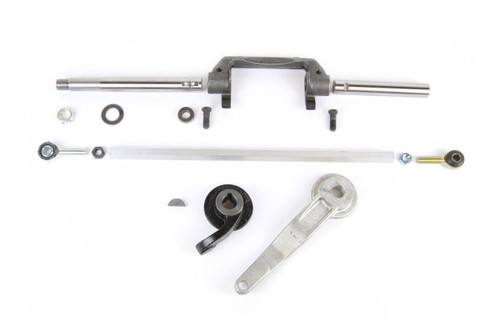
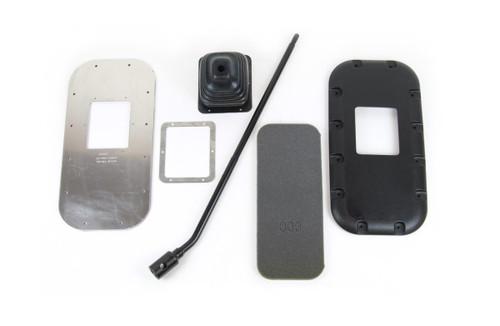
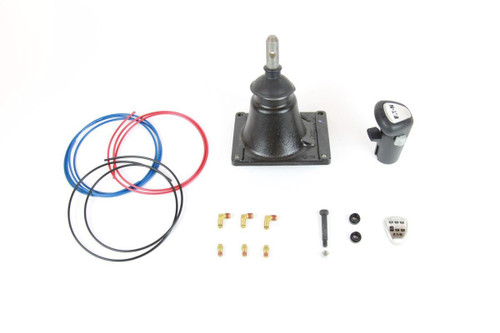
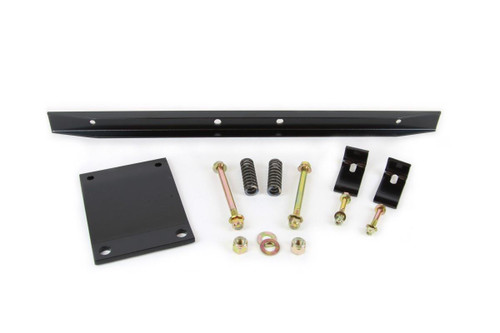
- Manual transmissions rely primarily on mechanical compatibility: clutch linkage lengths, shift lever routing through the floorboard, and proper alignment based on the engine's position; our direct-fit mounting brackets, linkage adapters, and transmission sensor harnesses ensure these elements connect cleanly without major adjustments.
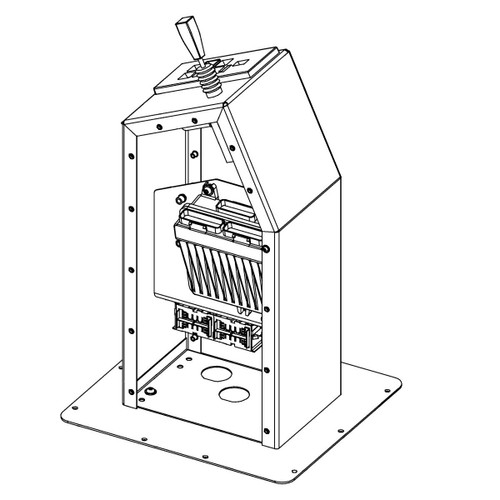
- For automated transmissions (e.g., Eaton UltraShift or Allison), compatibility also involves electronic integration between the transmission TCM and engine ECM, where mismatches in generations, protocols, or sensor inputs can cause fault codes, shifting issues, or limp mode—our automated harnesses kits bridge the gap for reliable communication.
- In both cases, physical bolt-up is usually straightforward with the right engine mounts and upfit parts, but full functionality requires matching the transmission to the engine family's setup.
What transmission parts are commonly replaced during conversions?
- During conversions, the most commonly replaced transmission parts focus on electronic integration, linkage and alignment to match the new engine (Caterpillar, Cummins, Detroit Diesel, etc.).
- For manual transmissions these include transmission sensor harnesses (for VSS, Reverse and Temperature), clutch linkage adapters and shift lever routing based on engine placement. For automated transmissions, common replacements are harness kits (to resolve TCM-to-ECM communication), plus related sensors and connectors.
- These direct-fit parts from Kustom Truck address the core conversion challenges—mechanical linkage for manuals and electronic bridging for automatics—ensuring smooth drivability and a professional install.
Can transmission parts fix shifting or communication issues?
- Yes, transmission parts from Kustom Truck can resolve shifting and communication issues common in engine conversions by ensuring proper mechanical and electronic interfacing.
- For manual transmissions, our direct-fit clutch linkage kits, mounting brackets, and transmission sensor harnesses correct mismatched linkage lengths, shift lever routing, and sensor signals caused by the engine position in the frame: fixing hard shifts, poor engagement, binding, or excessive free play.
- For automated transmissions, where no communication means the truck often can't be driven (no-start, limp mode, fault codes), our interface kits bridge TCM-to-ECM and chassis wiring gaps across engine brands or generations to restore full electronic functionality and drivability. These targeted parts address conversion-specific root causes without internal transmission work.
- Share your truck details, engine family, transmission type, and symptoms with our team, and we'll recommend the right direct-fit solution.
Do I need to reprogram my transmission after installing new parts?
- That depends on the style of transmission, manual or automatic. No reprogramming is typically needed for manual transmissions. When reconnecting your existing manual transmission after an engine swap, our direct-fit clutch linkage adapters, shift lever components, mounting brackets, and sensor harnesses handle all necessary mechanical alignment and sensor integration - no electronic programming required, as the transmission operates purely mechanically.
- For automated transmissions, reprogramming may be required depending on the change. If keeping your existing automated transmission during an engine swap, the engine ECM often needs reprogramming to match the transmission parameters for proper shifting and no fault codes. When converting from manual to automated, both the engine ECM and chassis module typically need programming to accept and communicate with the new transmission type, ensuring full drivability.
- In summary, manual setups stay plug-and-play with no programming; automated changes frequently require ECM and/or chassis reprogramming for compatibility.