-

-

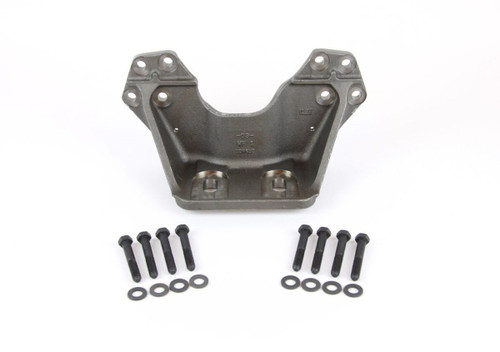
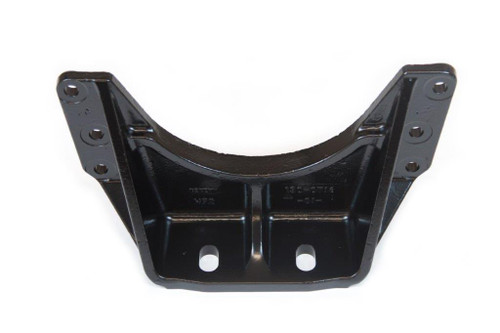
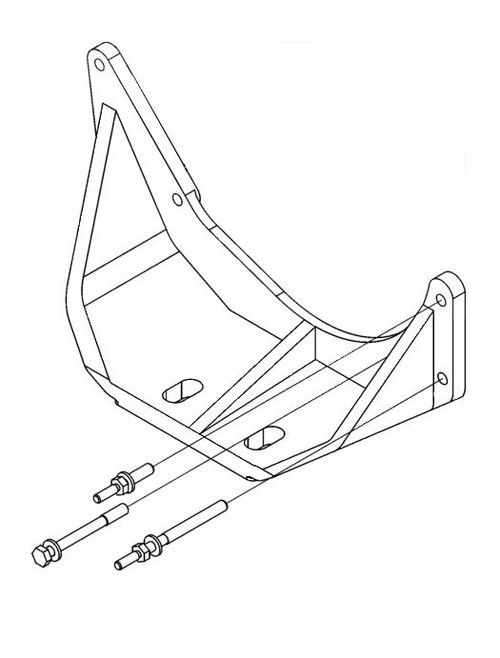
Bracket Kit - Freightliner Cascadia/122SD - Detroit Series 60 - Engine Mounted Air Cleaner
SKU: 39317001
+ 1 reviews
$520.00 -

-

-

-
-
-

-
-

-

-

-

-

-

-

-

-

-

-

Why Correct Engine Mounting Brackets Matter in a Conversion
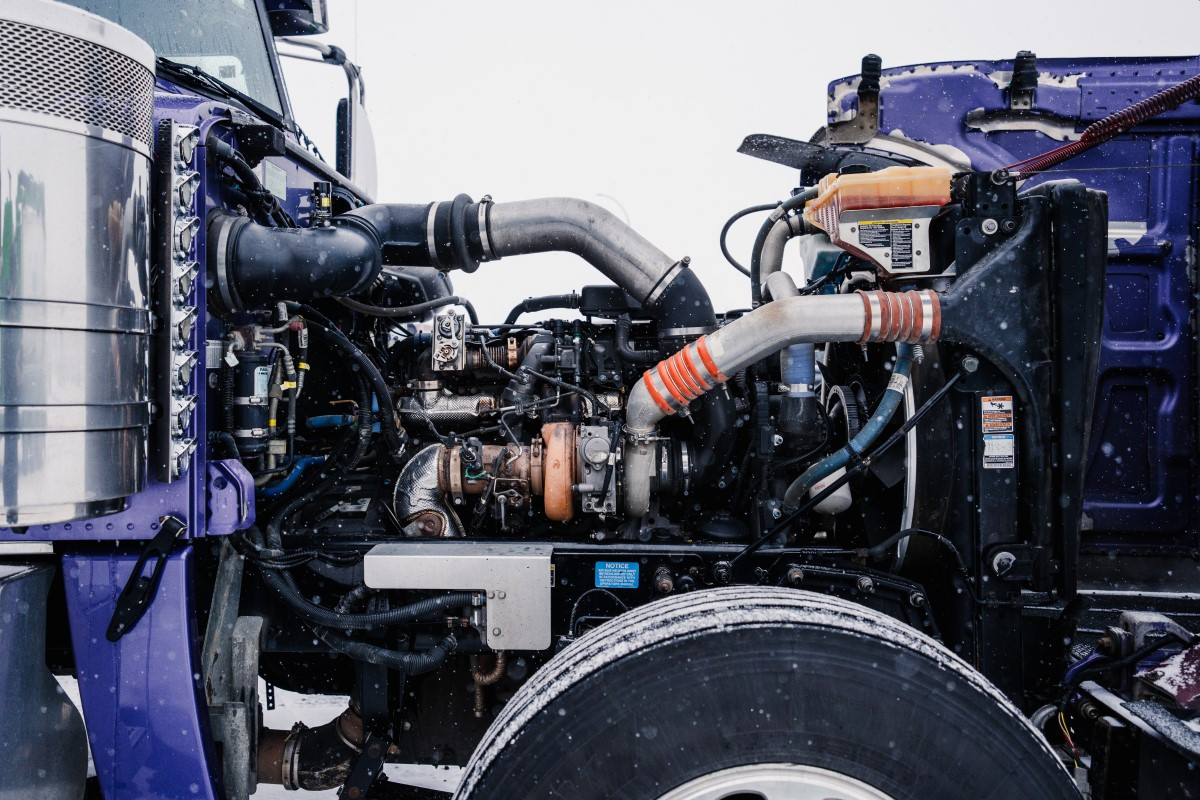
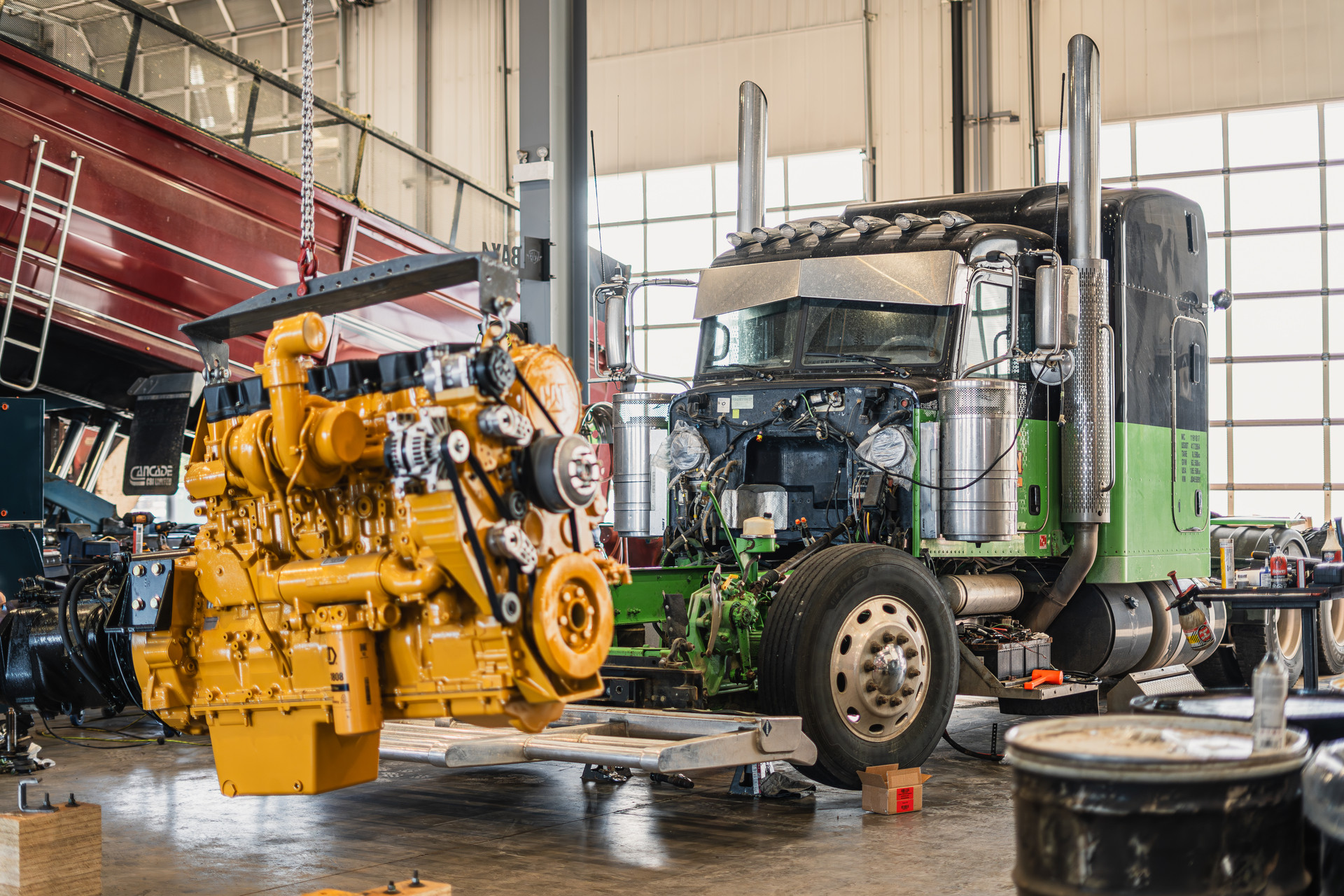
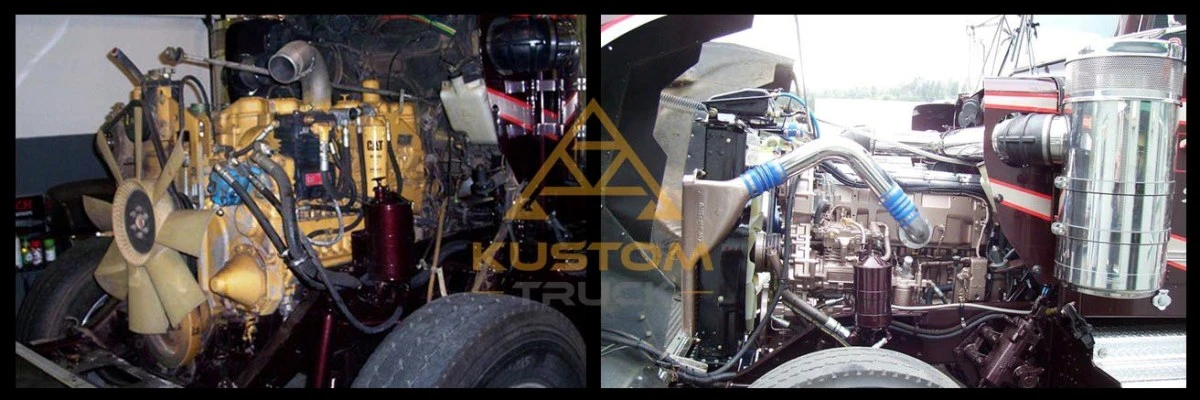
Everything in an engine conversion starts with getting the new engine in the correct location in the chassis. If the engine sits too far forward or too high, it creates a chain reaction: CAC and radiator tubes won’t reach, air intake piping needs to be lengthened or shortened, drivelines have to be adjusted, and clutch linkage or the shift lever may no longer line up with the hole in the floorboard.
Engine mounting brackets are not one-size-fits-all. Rear mounts are engine-specific. A Detroit uses different rear mounts than a CAT or Cummins. Front engine mounts are both engine-specific and chassis-specific. A Caterpillar 3406E that came out of a Western Star will not use the same front mount as the same engine going into a Peterbilt or Kenworth. The front mount sets the height and angle of the engine, which also determines whether the fan hub sits at the correct center height in the fan shroud.
What makes a proper conversion bracket different:
- Engineered for a specific engine + chassis combination (no adapting or guessing)
- Correctly positions the engine for proper driveline angle, piping lengths, and fan alignment
- Available with matching bushing kits so worn mounts can be replaced while the engine is out
- When hardware is included, it is heavy-duty Grade 8 or 10.9
- The majority are powder-coated for durability in a working truck
The most common mistake we see is shops reusing the front engine mount that came bolted to the donor engine. It may bolt to the block, but it rarely fits the new chassis correctly. The engine ends up sitting too high or in the wrong position, and suddenly the rest of the conversion parts no longer line up.
Pro Tip: Order your front and rear engine mounts (and bushings) at the same time as the engine. Getting the engine location right first makes every other part of the conversion - piping, cooling, and driveline - go together cleanly.
Which Heavy-Duty Truck Bracket Do You Actually Need?
Not every bracket in a conversion serves the same purpose. Ordering the wrong one is one of the easiest ways to stall a build. Here’s how the main categories break down:
- Front Engine Mounts – These are both engine-specific and chassis-specific. They set the height and angle of the engine in the frame and determine whether the fan hub sits correctly in the shroud. A CAT 3406E going into a Peterbilt does not use the same front mount as the same engine going into a Western Star or Freightliner.
- Rear Engine Mounts – These are engine-specific. Just as important is matching the flywheel housing mounts to the frame mounts already in the truck. If the chassis has 4-bolt Trelleborg-style frame mounts, you must use compatible 4-bolt Trelleborg flywheel housing mounts. Mixing styles will not work.
- Frame Mounts – We offer several styles: older Peterbilt 2-hole mounts with serviceable bushings, Kenworth single-hole saddle style, 2-bolt Trelleborg, and 4-bolt Trelleborg. Note that Trelleborg-style mounts have the bushing molded into the bracket and are not serviceable.
- Front Trunion Brackets – Required when removing a Paccar engine. Paccar engines are mid-block designs that sit higher in the frame. Without the correct trunion brackets, you will not be able to lower the front of the new engine enough for the rest of the conversion parts to align properly.
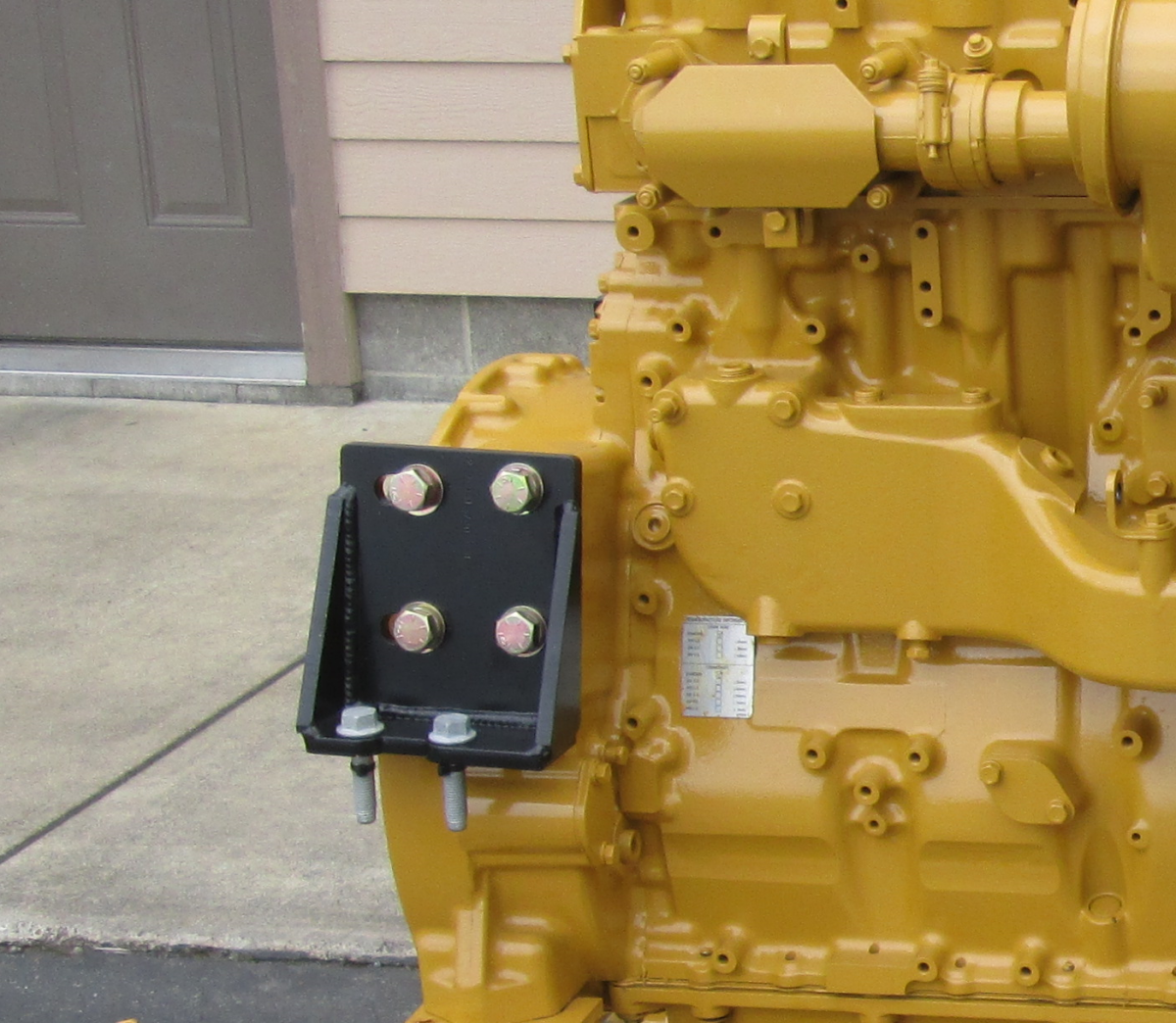
- Air Cleaner Brackets – Chassis and engine specific. They position the air cleaner correctly relative to the new turbo and intake routing.
- Bushing Kits – These replace the rubber isolators in the mounts. Bushings are chassis-specific (Freightliner bushings are not the same as Kenworth). While the engine is out is the ideal time to install new ones.
We also offer radiator support rods. Some (Peterbilt and Kenworth) are upgrades, while others (Freightliner Cascadia and 122SD) are conversion-required because the cooling package is held in place by a rod that attaches back to the engine. Still not sure which bracket you need? Call 888-564-8890 with the make and moof the truck and the engine being installed. We’ll point you to the correct parts.
Frequently Asked Questions
Why can’t I just reuse the front engine mount that came with the donor engine?
The front mount that bolts to the donor engine is almost always chassis-specific. Even if it attaches to the block, it was designed for the original truck’s frame and height requirements. Installing it in a different chassis usually leaves the engine sitting too high or at the wrong angle. This causes the fan hub to sit incorrectly in the shroud and prevents CAC, radiator, and air intake tubes from lining up properly. Always use the front engine mount engineered for the specific engine and chassis combination you are building.
Are these brackets a direct bolt-in, or do they require modification?
The majority of our brackets are direct bolt-in replacements for the specific engine and chassis combination listed. No cutting or re-drilling is required.
The main exception is when replacing a Paccar engine. In that case, the rear motor mounts do not line up in the same location. Most customers can reuse the two forward frame bracket holes (they become the rear holes for the new mounts) and only need to drill two new holes for the forward mounting points.
What else should I pair with a bracket order for a complete swap?
Most builds also need engine upfit parts and piping kits to finish the front-end conversion.
Not sure which bracket matches your build? Contact our team or call 888-564-8890. We'll confirm the right heavy-duty truck brackets for your chassis and engine before you order.
Find the Right Bracket Every Time With Kustom Truck Parts
Not sure which bracket matches your build? Reach out to our team online or call 888-564-8890. We'll confirm the right heavy-duty truck brackets for your chassis and engine before you order.