Paccar-to-CAT Engine Swap Kits
Shop Our Categories
Truck Assembly & Conversion Parts
Truck Engine Parts
Custom Truck Parts
Wiring Harness Repair Kits
Heavy Duty Truck Transmission Parts
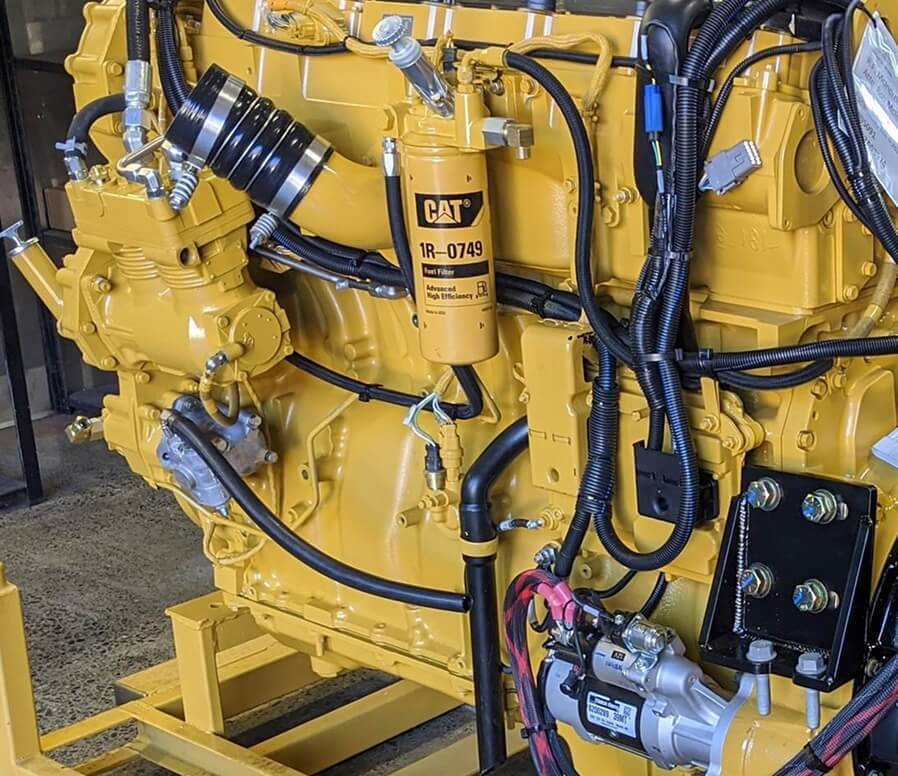
Engine Swap Kits Make Change Simple
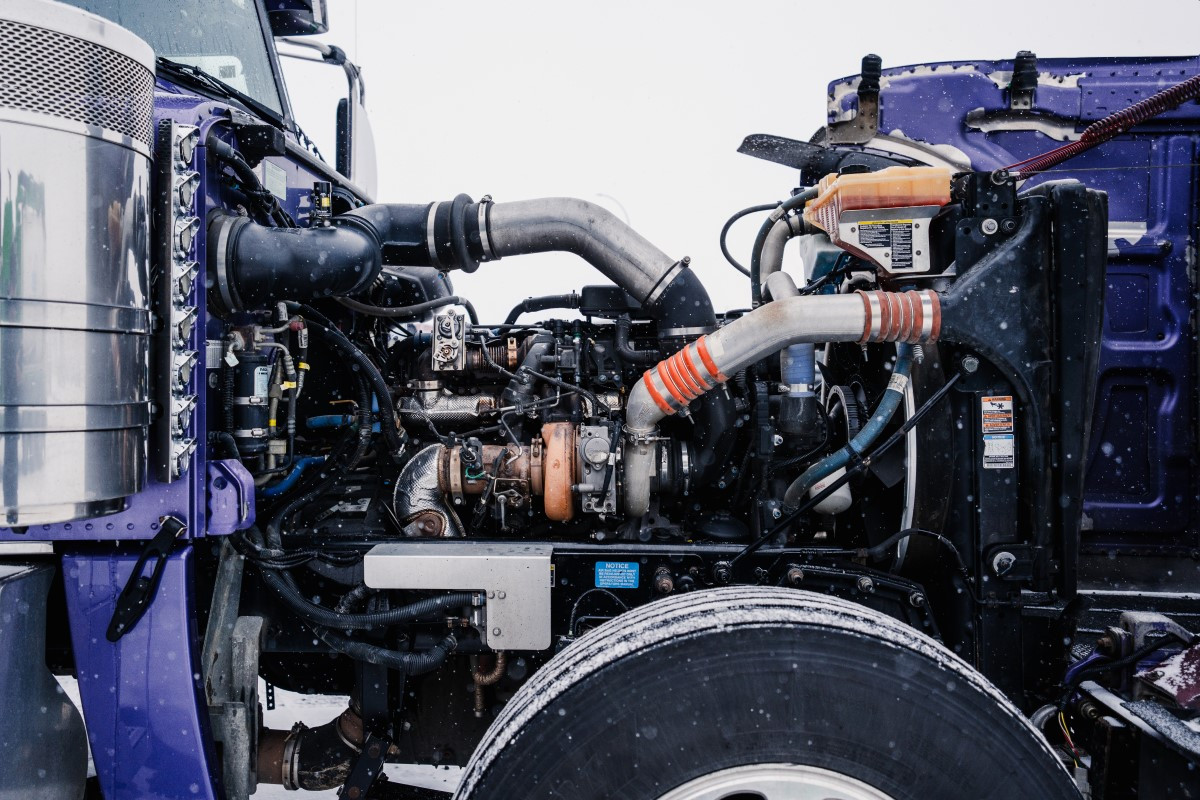
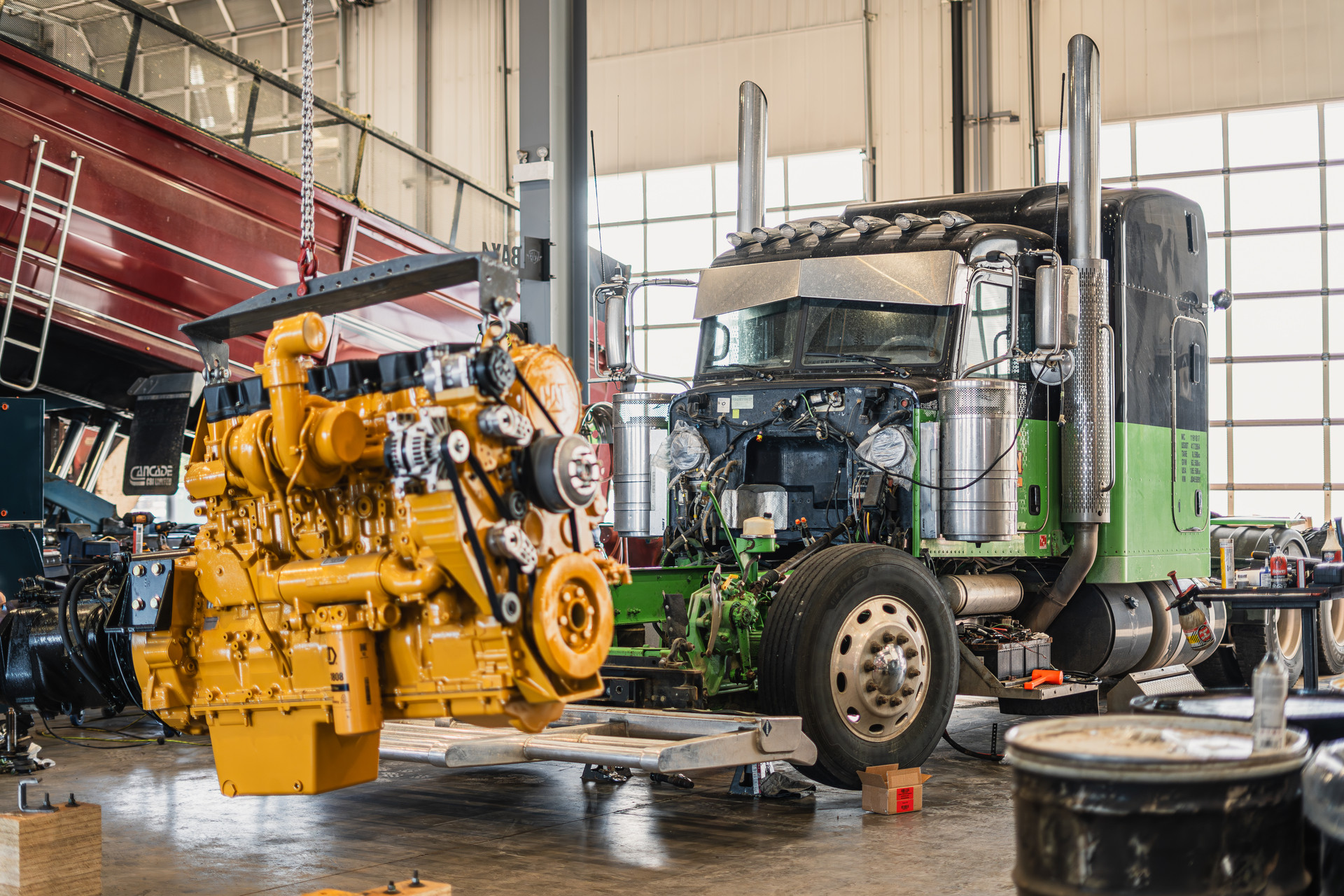
A PACCAR to CAT engine swap kit provides the essential components needed to replace a PACCAR diesel engine with a Caterpillar powerplant in a heavy-duty truck. These conversions are increasingly popular among truck owners and fleet operators who prioritize Caterpillar’s legendary durability — million-mile engine — exceptional raw power, straightforward maintenance, and outstanding reliability.
A properly engineered PACCAR-to-CAT engine swap requires more than just dropping in a new engine. For a true OEM-level build, the project requires precise handling of the electronic interface, accurate engine placement in the frame rails, full cooling and air-intake adaptations, and complete integration of all engine upfit components.
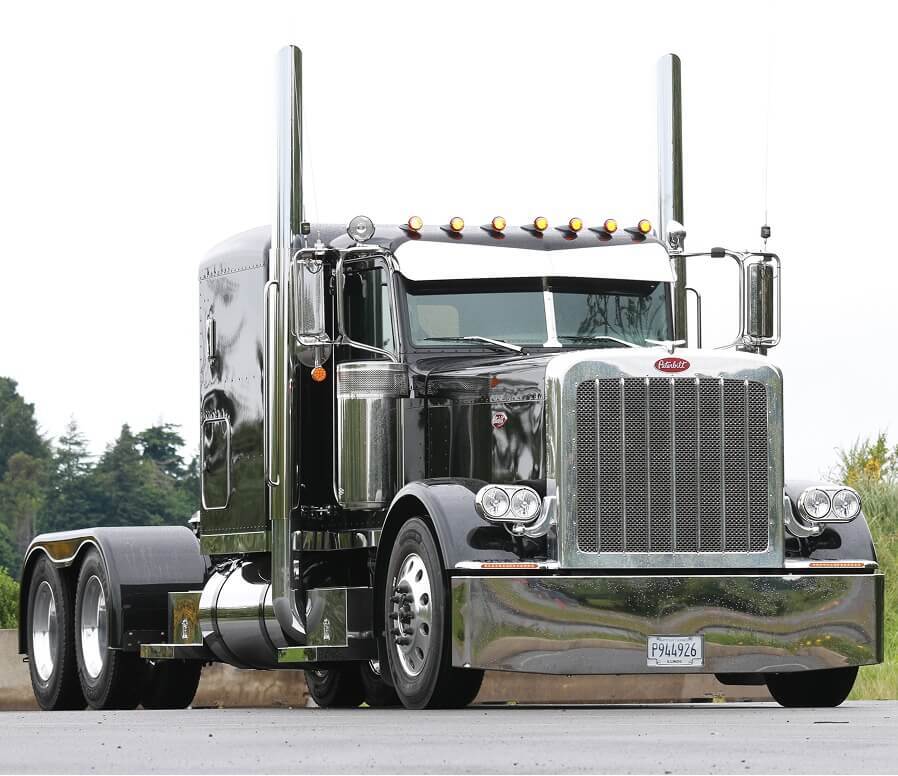
Key Reasons for a PACCAR-to-CAT Engine Swap:
- Exceptional durability with many CAT engines routinely exceeding 1,000,000 miles
- Outstanding raw power and proven heavy-haul capability
- Straightforward maintenance and excellent serviceability
- Extensive aftermarket and rebuild support network
- Familiar CAT infrastructure and widespread technician knowledge
- Strong potential for lower lifecycle costs in high-mileage applications
Caterpillar truck engines have built a long-standing reputation in vocational and heavy-haul applications. When properly integrated with the right chassis and upfit components, a CAT engine delivers unmatched reliability, simplified maintenance, and the confidence that comes with a powerplant built to outlast the competition.
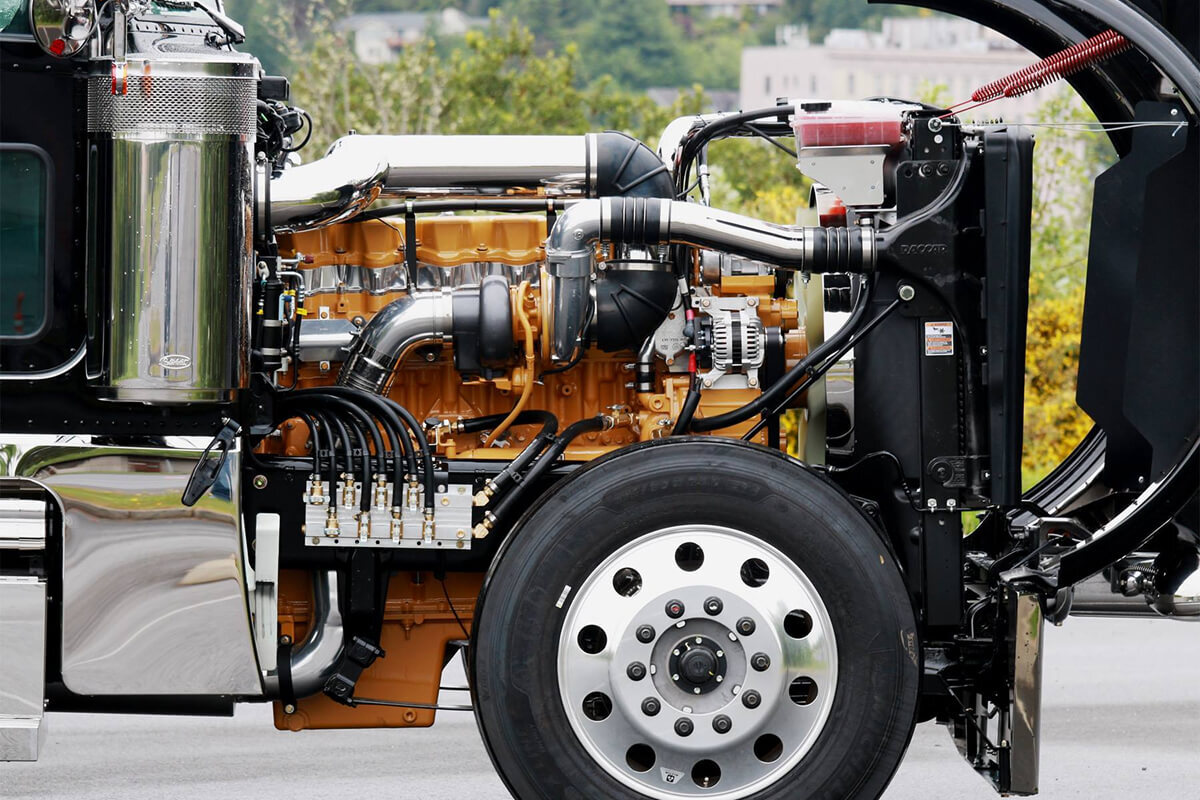
What Is Included in a PACCAR-to-CAT Engine Swap Kit?
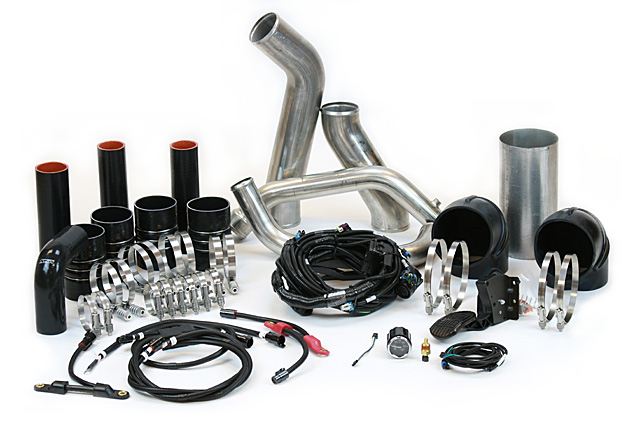
A true PACCAR-to-CAT engine swap kit includes the integration components needed to connect the new Caterpillar engine to the truck's existing systems.
Core components typically include:
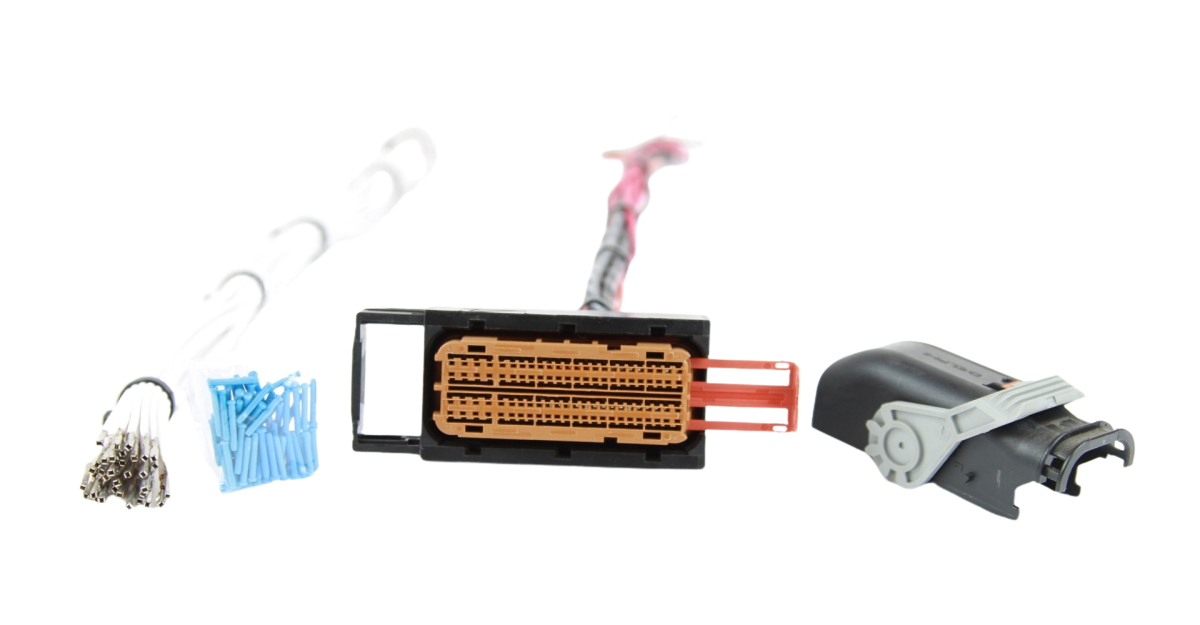
- Electronic Interface including the engine wiring harness
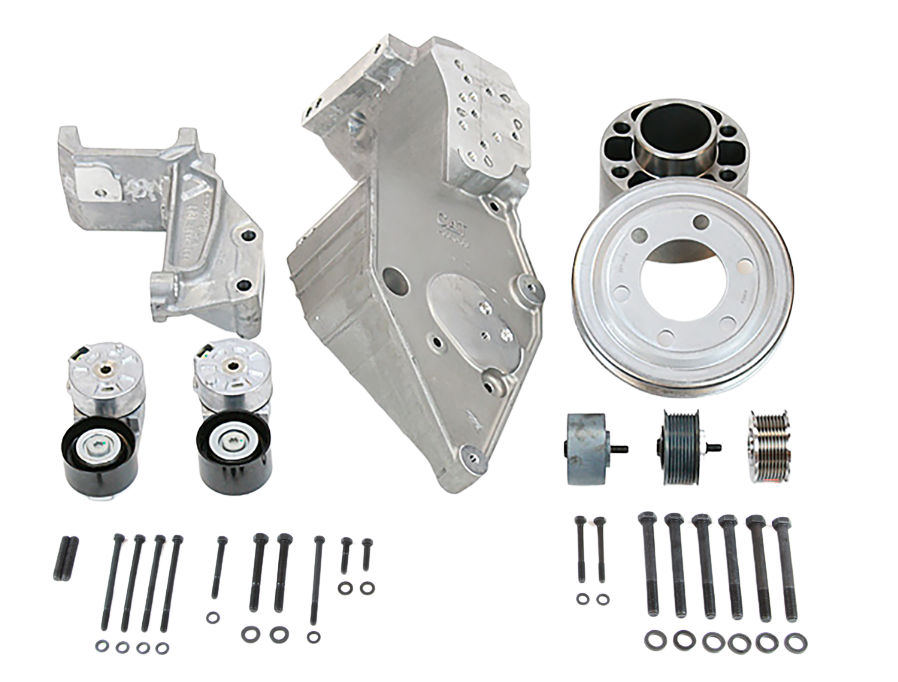
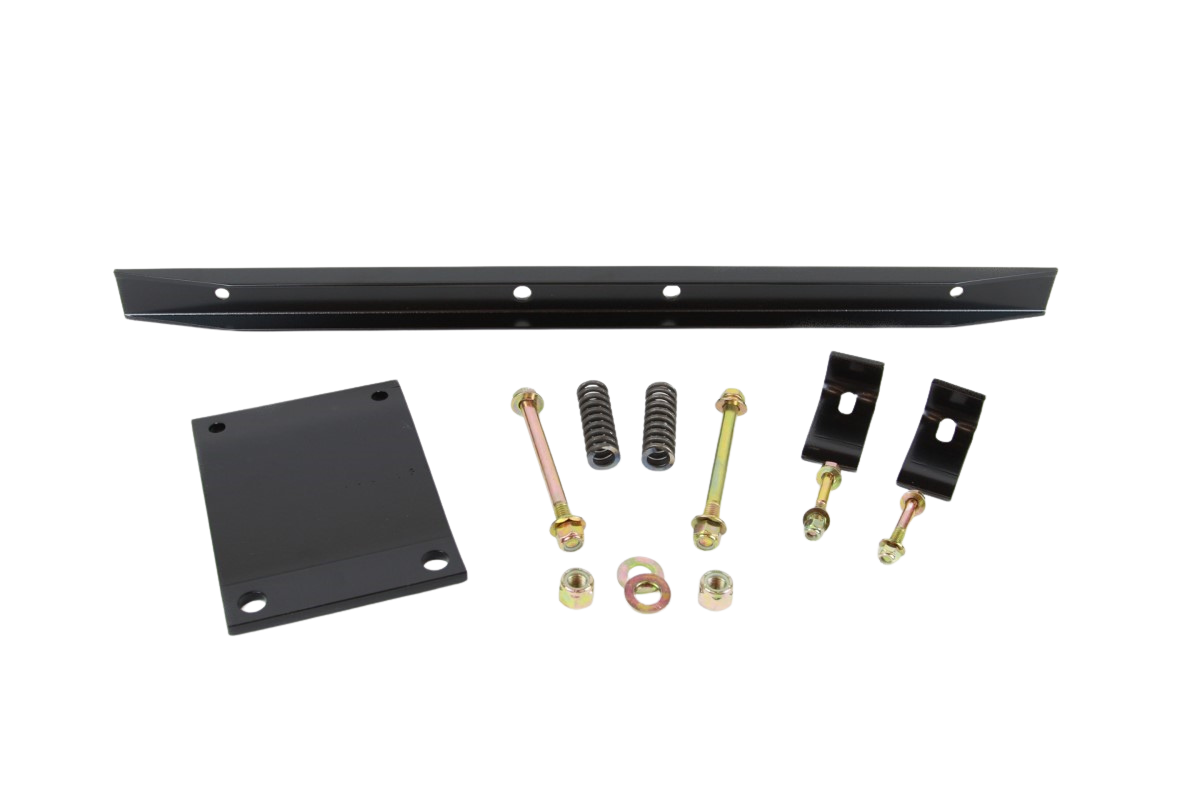
- Engine mounting brackets for correct alignment in the frame
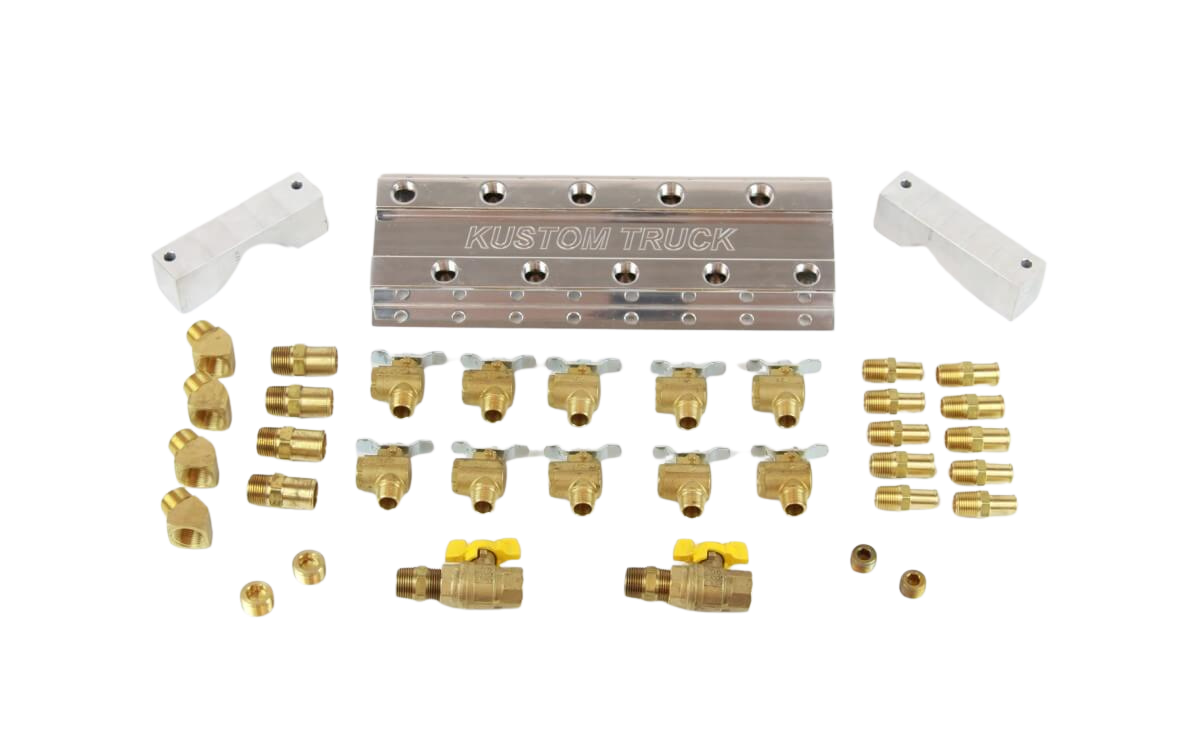
- Cooling system adapters and routing solutions
- Intake and charge-air piping modifications
- AC Compressor and AC Lines
- Transmission harness & sensors
Every truck platform is unique, so the exact contents of your PACCAR-to-CAT engine swap kit are tailored to your specific chassis model, chosen Caterpillar engine series and transmission type.
Compatibility: What You Need to Verify
Before purchasing components for a Paccar to CAT engine swap, confirm the following:
1. Chassis Configuration
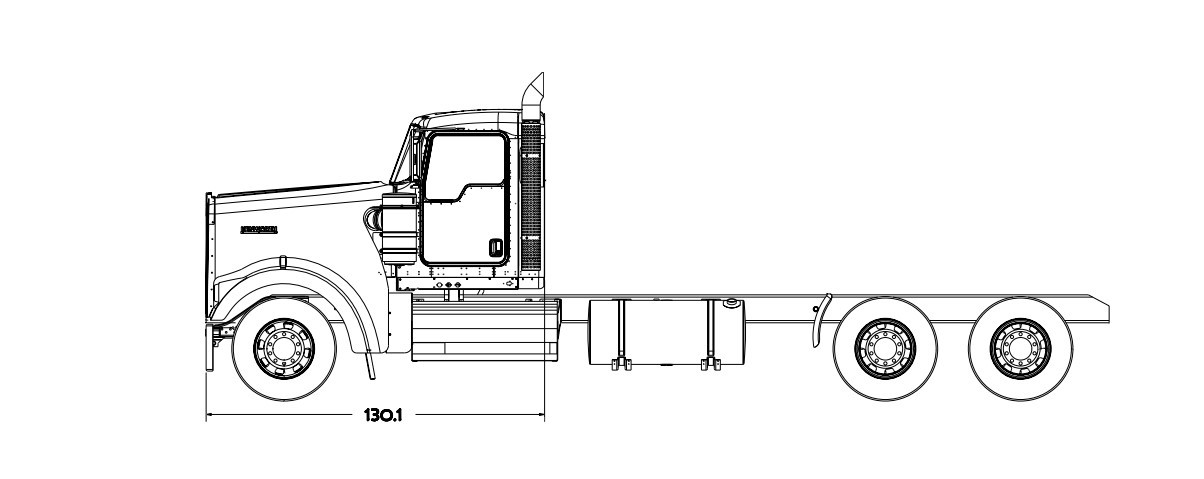
The key detail to confirm is whether your truck is a short-hood or long-hood model. This is determined by the Bumper to Back of Cab (BBC) dimension. Hood length directly impacts engine fitment
A short-hood truck versus a long-hood truck will require a different combination of parts to achieve a successful swap.
2. Transmission Pairing
You need to verify whether you have manual or automatic transmission since they require different communication protocols.
3. Electronics and ECM Integration
Electronics and ECM integration are among the most critical areas to verify before starting a PACCAR-to- CAT conversion. Removing the PACCAR engine leaves several systems that require careful attention for reliable operation.
You will need to verify several key items: your conversion will require a new engine-to-cab harness and throttle position sensor (or full pedal assembly), alternator wiring compatibility (Caterpillar engines mount the alternator on the passenger side while PACCAR uses the driver’s side, often leaving the factory harness too short), ECM power supply (Paccar routes fused power through the emissions system which the CAT engine does not use), and cab communication. The CAT ECM must be properly programmed to communicate with your truck’s dash cluster, gauges, switches, and transmission controls.
4. Cooling, Intake & Exhaust Adaptation
The existing radiator and charge air cooler (CAC) package can be reused. However, you should verify the routing between this cooling package and the Caterpillar engine. The factory water and CAC tubes are designed for the PACCAR engine layout and do not line up with the CAT engine’s port locations or flow requirements.
You should also check the air intake system. The original PACCAR intake piping is neither the correct diameter nor properly routed for a Caterpillar engine. The exhaust system requires similar verification, it requires modifications for proper clearance and routing to match the new engine.
5. Engine Upfit
You will need to address several chassis-mounted accessories. The PACCAR A/C compressor is mounted on the driver’s side, while Caterpillar engines locate it on the passenger side. Not only is the compressor not compatible with the CAT engines' mounting provisions, but this difference also makes the original suction and discharge lines the wrong length with incorrect routing. In addition, PACCAR engines use a fan blade with a 5-inch pilot diameter and 6-inch bolt circle — dimensions that do not match standard CAT engine fan hubs, so the existing fan and hub assembly usually cannot be reused.
A successful PACCAR-to-CAT engine swap starts with thorough upfront verification of your truck’s configuration. Key areas to check include hood length (BBC), transmission type, electronics, cooling/intake/exhaust routing, and engine upfit components like A/C lines and fan hub.
Confirming these details early helps avoid common issues and ensures you get the durability, power, and reliability Caterpillar engines are known for. Every truck is different, so understanding your exact setup is the best way to select the right kit.
Installation Considerations for a Successful Swap
A properly executed Paccar-to-CAT engine swap kit reduces installation complexity, but planning still matters.
Electrical Integration & Wiring
During installation, focus on clean, secure wiring practices. Proper harness routing, grounding points, and connector integrity help prevent chafing, shorts, and intermittent faults. Pay special attention to the engine-to-cab harness, alternator wiring, and vehicle speed sensor connections to ensure reliable startup and consistent operation.
Mounting & Alignment
The best approach is to position the Caterpillar engine so the transmission can remain in its original location — exactly where it sat behind the PACCAR. This method preserves OEM driveline lengths, keeps the shift lever and clutch linkage in their factory positions, and dramatically simplifies the overall installation.
When the engine is mounted correctly, you achieve proper height, optimal driveline angles, and full hood and cab clearance without modification. Incorrect positioning can cause vibration, premature wear, binding shift linkage, or hood fitment issues.
Cooling and Intake Routing
Even with the correct adaptation parts, thoughtful routing during the build makes a big difference. All hoses, charge air tubes, intake piping, and exhaust components must be properly sized and have adequate clearance, secure clamping, and smooth bends to avoid restrictions, rubbing, or heat-related issues.
ECM Programming and Calibration
The CAT ECM must be configured to communicate with your specific truck’s chassis, dash cluster, gauges, switches, and transmission. Without this critical step, the dash may show no readings, warning lights may stay on, the speedometer may not work, and the transmission may not shift correctly.
Most customers discover this after everything is bolted in — they assume there is a hardware problem when the real solution is simply programming the ECM with CAT ET software to match their truck.
Our PACCAR-to-CAT swap kits are designed as direct-fit solutions, so no specialized shop equipment or advanced tooling is required. This makes a professional-quality engine swap realistic for both experienced DIY builders and truck shops.
Having access to CAT ET software (and in some cases PACCAR ESA) is required for final ECM and chassis programming.
With solid planning and careful execution, these swaps can be completed successfully by capable teams at any skill level.
Performance Outcomes After Conversion
When installed correctly, a PACCAR-to-CAT engine swap delivers the qualities that have made Caterpillar engines legendary in heavy-duty applications for decades.
Key Benefits:
- Exceptional long-term durability, with many CAT engines routinely exceeding 1,000,000 miles
- Strong raw power and reliable performance under heavy loads and in demanding vocational use
- Significantly easier and more straightforward maintenance compared to PACCAR engines
- Outstanding overall reliability and reduced downtime
- Access to a broad aftermarket and rebuild support network with familiar CAT service infrastructure
- Improved long-term cost of ownership through extended engine life and simpler serviceability
The exact performance gains vary depending on the specific CAT engine model and tuning, but the most consistent feedback we hear from customers is dramatically increased confidence in the truck’s durability and serviceability. Operators often report that the CAT-powered truck simply runs stronger for longer with fewer surprises.
Start Planning Your PACCAR-to-CAT Engine Swap
Converting from PACCAR power to Caterpillar performance requires precision components and proper planning. Whether you're a professional shop or a capable DIY builder, our goal is to make your swap as straightforward and reliable as possible.
Contact Kustom Truck Parts with the specific details of your PACCAR-to-CAT engine swap. We'll verify compatibility and help you select the right components for your build.
FAQs
What trucks can use a PACCAR-to-CAT engine swap kit?
Any Peterbilt or Kenworth truck originally equipped with a PACCAR engine is a potential candidate for a Paccar to CAT conversion. PACCAR engines were introduced in these trucks starting in 2011 with NAMUX 3 chassis electronics and continued through NAMUX 4 models.
While nearly all of these trucks can accept a Caterpillar engine, successful conversions depend on verifying key details such as hood configuration (BBC), transmission type, and chassis electronics. Our kits are designed to work across a wide range of these models when the proper components are selected.
How long does a PACCAR-to-CAT engine swap take?
Installation time depends on your experience level and how complete the kit is, but our customers see very consistent results.
When using our complete PACCAR-to-CAT swap kit with all interface components included, most first-time builders complete the conversion in approximately 60 hours.
Seasoned, professional shops can often finish the job much faster, typically under 40 hours.
Do I need a new transmission for a CAT conversion?
No — you can usually keep your existing transmission. Most common transmissions paired with PACCAR engines work well with a Caterpillar swap when using the proper interface components. This includes manual transmissions, Eaton Ultrashift Plus and Autoshift automated manuals, Allison GEN4 and later automatics, as well as many other popular models.
If you have a less common or older transmission model, give us a call. We’ll verify compatibility and let you know exactly what (if anything) is needed.
Can I perform this swap myself?
Yes — you can absolutely perform the PACCAR-to-CAT engine swap yourself.
Our direct-fit kits are designed to remove the custom fabrication and heavy engineering work that usually makes these conversions intimidating. With all the necessary harnesses, piping kits, mounting components, and engine upfit parts included, the process is very straightforward for mechanically inclined builders.
The most challenging part is typically the electrical integration and ECM programming. As long as you’re comfortable with diesel mechanics, follow the provided instructions, and have access to CAT ET software, most experienced DIYers can finish the job in approximately 60 hours.
Why Choose Kustom Truck Parts for Your Swap Components?
Kustom Truck Parts pioneered the modern PACCAR-to-CAT engine conversion industry. We didn’t just start selling parts for these swaps — we created the category and built the first complete, reliable solutions. While other companies may offer individual components, we deliver complete, direct-fit swap kits that let you take the engine out of one box and install it with confidence. No custom fabrication. No endless trial and error. Just a well-engineered, one-stop solution.
What sets us apart:
- Over 60 years of combined in-house experience in heavy-duty truck conversions
- True direct-fit components engineered specifically for PACCAR-to-CAT swaps
- Full-system approach covering engine mounting, electronics, cooling, intake, exhaust, and engine upfit integration
- Fitment verification to make sure you get the right kit the first time
- Dedicated Technical Support Department for any issues after the sale
Our goal is simple: Make your PACCAR-to-CAT conversion as straightforward, reliable, and successful as possible — whether you’re a professional shop or a capable DIY builder.